What is kizomba? Origins, music and how it’s danced
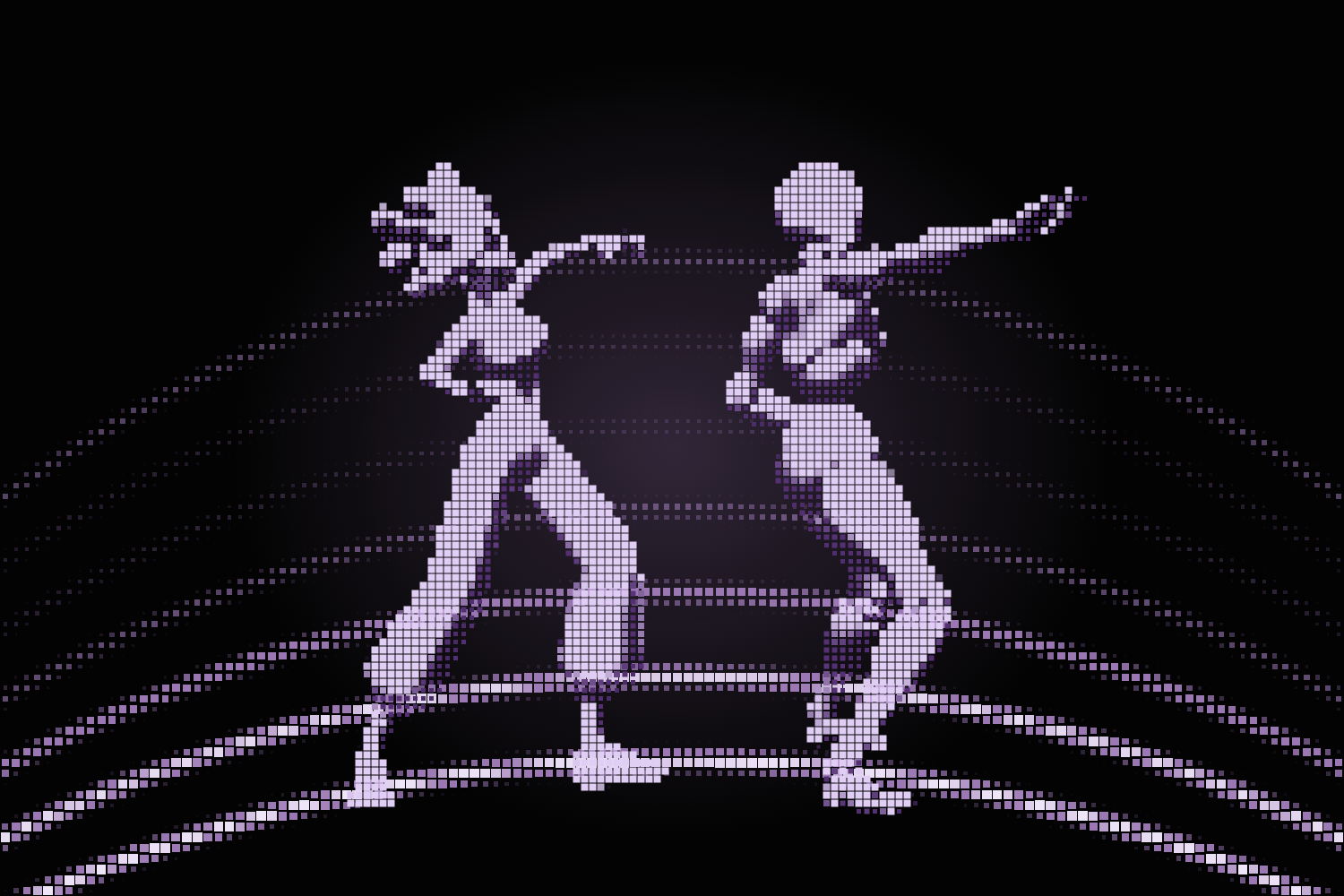
Kizomba is both a music genre and a partner dance. It was born in Luanda, Angola, between the late 1970s and, above all, the 1980s. It reached Europe through Lisbon, and today it’s danced all over the world. And, as we say at NuKiz, kizomba is not Zumba!
Where is kizomba from?
Angola. Before it existed as a genre, people in Luanda were already holding “kizombadas”, parties in the backyards of homes in the city’s working-class neighbourhoods, the musseques. Kizomba took shape at those parties during the 1980s, in the midst of the civil war.
Dancers sometimes debate whether it’s Angolan or Cape Verdean, because Cape Verde has its own styles from the same musical family. Most sources place it in Angola, which declared it part of its national intangible cultural heritage in 2024.
What does “kizomba” mean?
It’s a word from Kimbundu, one of the languages of Angola, and it’s usually translated as “party”. The music itself grew out of neighbourhood parties.
What does kizomba music sound like?
Broadly speaking, it’s slowed-down semba played on synthesisers and drum machines and influenced by Antillean zouk. The band Kassav’, from Guadeloupe and Martinique, was one of its key reference points.
Semba is Luanda’s urban music and dance, tied to the city’s carnival, and it became popular from the 1950s onwards. It’s faster than kizomba and is its direct ancestor.
Eduardo Paim, a producer who worked with drum machines, is often named among the key figures of the early years. He describes himself as a precursor of the genre and doesn’t claim to have invented it. In the late 1980s he settled in Lisbon, the city from which kizomba spread to the rest of the world.
How is kizomba danced?
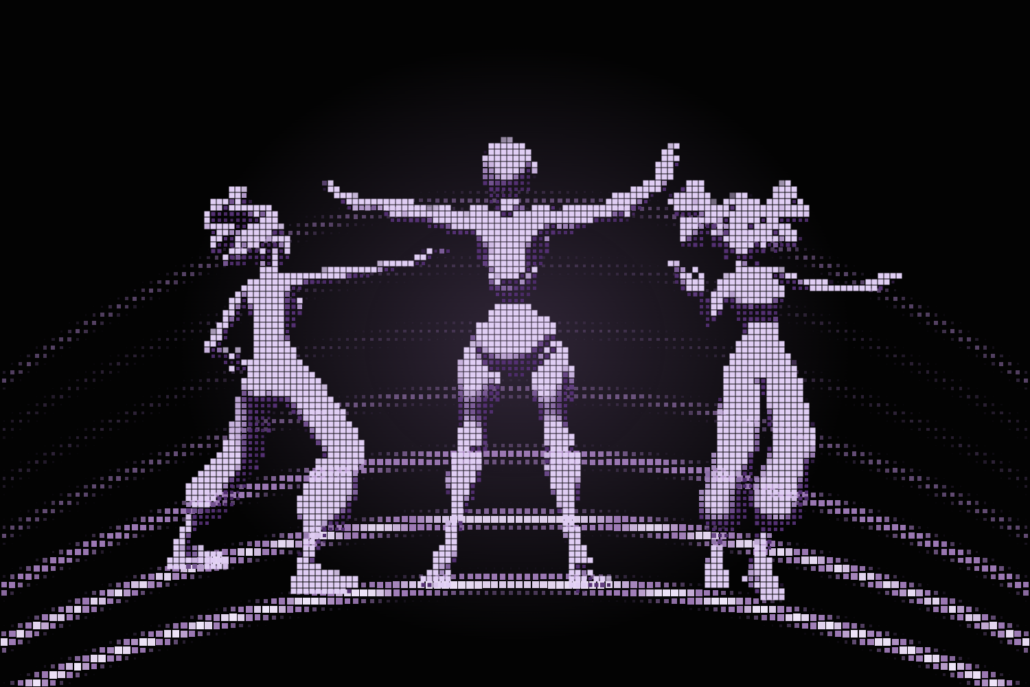
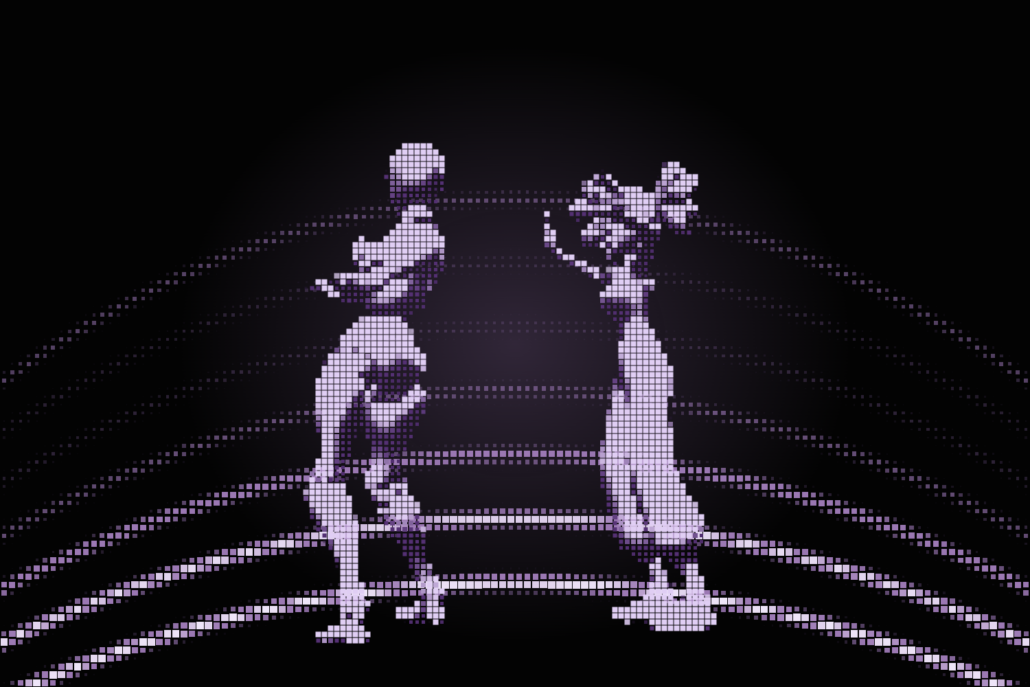
The dance takes the steps of semba and adapts them to slower music. It’s danced as a couple, in a very close embrace led from the torso, with an unhurried walking step.
The kizomba taught in dance schools today was developed in Lisbon in the 1990s, at the city’s African parties. That’s where the steps were set and where classes and competitions began, and in under ten years it became a dance taught in much of the world.
Semba, tarraxo, urban kiz and fusion
Outside Angola, “kizomba” has become an umbrella label for several related styles:
- Semba: the ancestor, faster and tied to Luanda’s carnival.
- Tarraxinha: a slower, more sensual Angolan variant, danced pressed close and barely moving around the floor.
- Tarraxo: a darker, more electronic offshoot, associated with Lisbon’s Afro scene.
- Urban kiz: usually traced to France in the 2010s, with partners further apart, straighter legs and linear figures.
- Kizomba fusion: a term with no fixed definition, used for dance-school kizomba mixed with other dances.
At NuKiz we dance and teach urban kiz, tarraxo and kizomba fusion. We explain the differences between all of them in kizomba, semba, urban kiz and tarraxo: how they differ.
Do you need a partner to learn?
Not at all. You just choose a role: leader, if you’d rather interpret the music and turn it into steps, or follower, if you’d rather let yourself be led and try to understand what the leader proposes. At NuKiz your role doesn’t depend on your gender, and you can switch whenever you like. That’s how our kizomba classes in Madrid work.
Quick questions
Are kizomba and zouk the same thing?
No. Kizomba was born in Angola and picked up influences from Antillean zouk, but they’re different genres. We cover this, along with bachata, salsa and kompa, in differences between kizomba, bachata, salsa, zouk and kompa.
Is kizomba a sensual dance?
It’s danced in a very close embrace, and tarraxinha is its slower, more sensual variant. For us, any way of dancing is valid as long as there’s consent between the two people and they listen to each other, to what’s said and to what’s left unsaid.
What music should I start with?
With the Spotify playlist from our beginner intensives: you’ll find it in kizomba songs for beginners.